
Bold design, buzzing social energy and a local pulse that keeps things interesting. Dhawa is where style meets the street
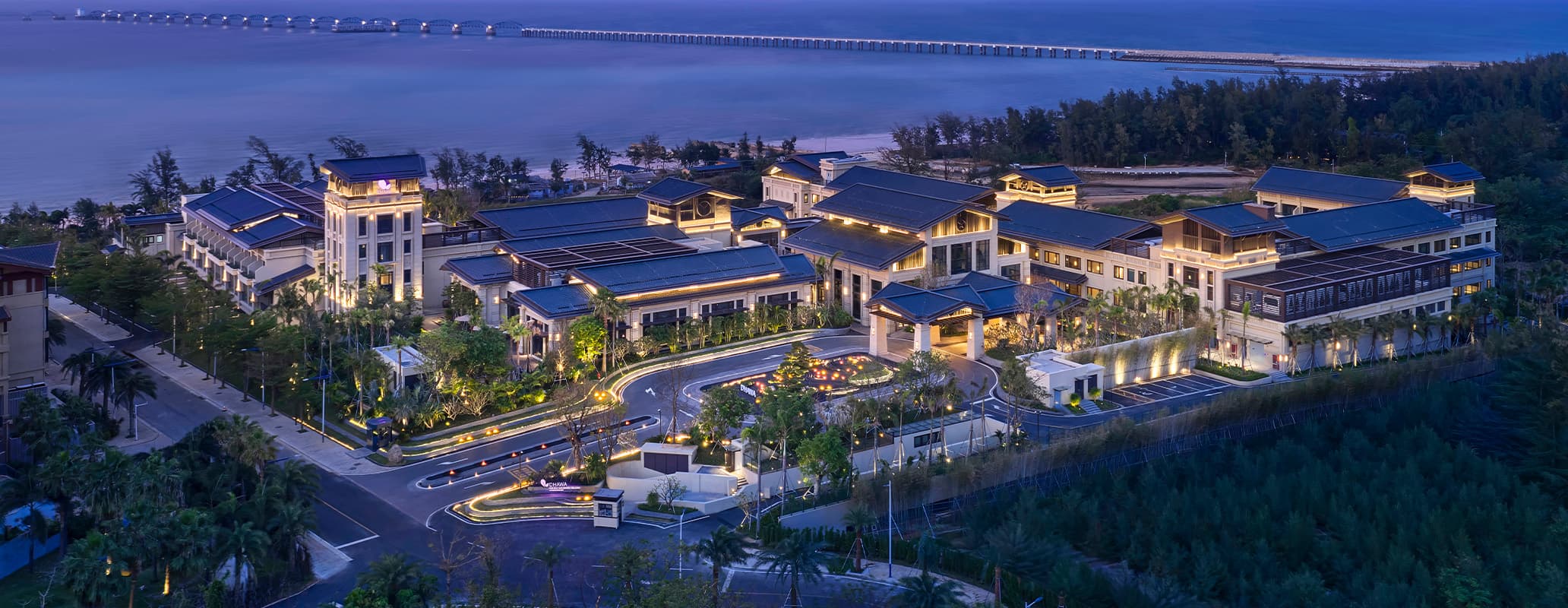
Bold design, buzzing social energy and a local pulse that keeps things interesting. Dhawa is where style meets the street

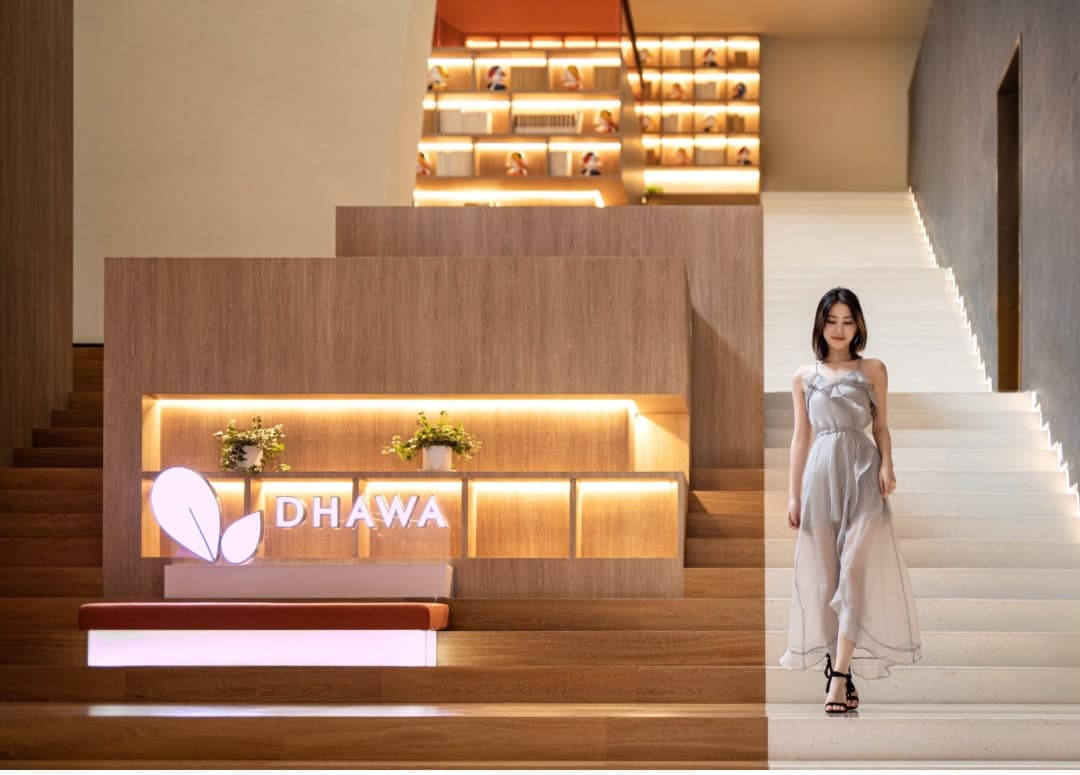
Dhawa takes its name from a tree whose leaves have found new uses across generations, each one discovered rather than assigned from the start. That same spirit has shaped every Dhawa since its launch in 2016, contemporary design built for actual use, not just display, in spaces playful enough to make you curious about what the day might hold next.
A reef, a forest, a heritage quarter or an island coastline, the backdrop changes completely from one Dhawa to the next, but one thing remains the same: Dhawa gives a stay enough personality that exploring feels like the obvious next step, not an afterthought.
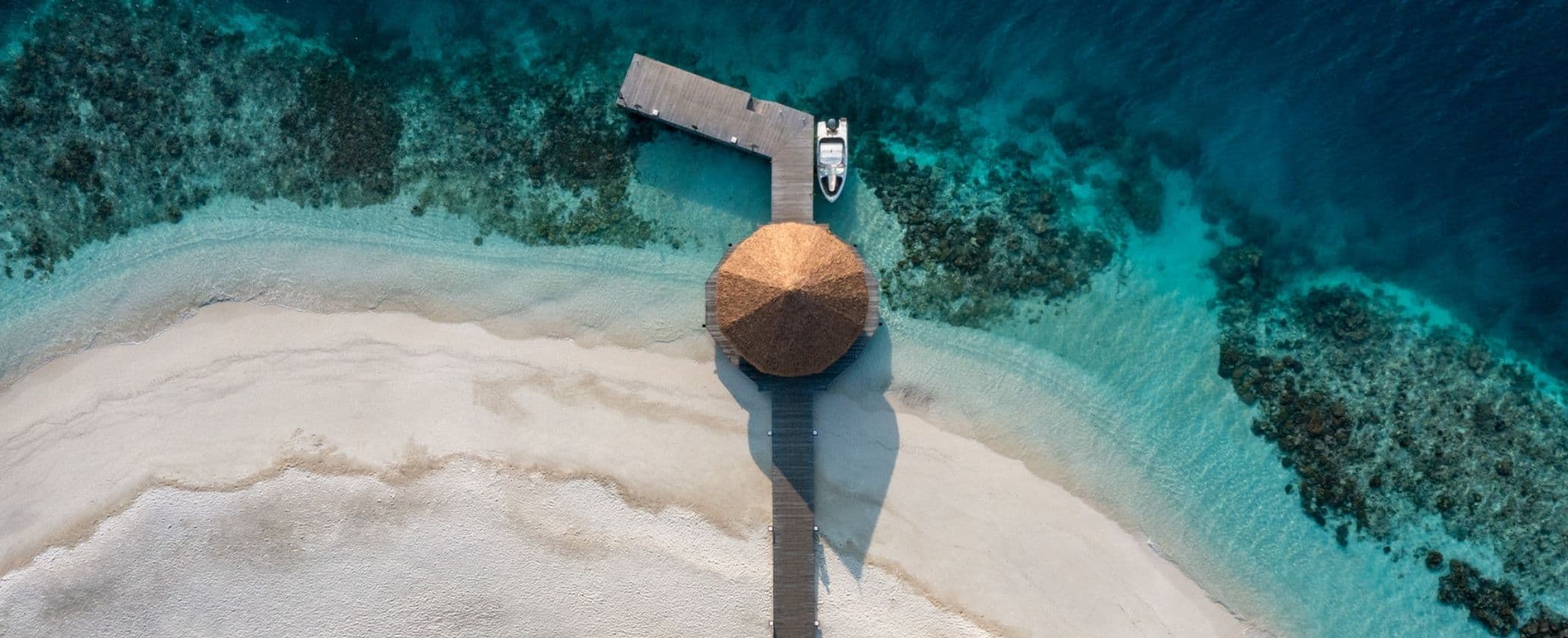
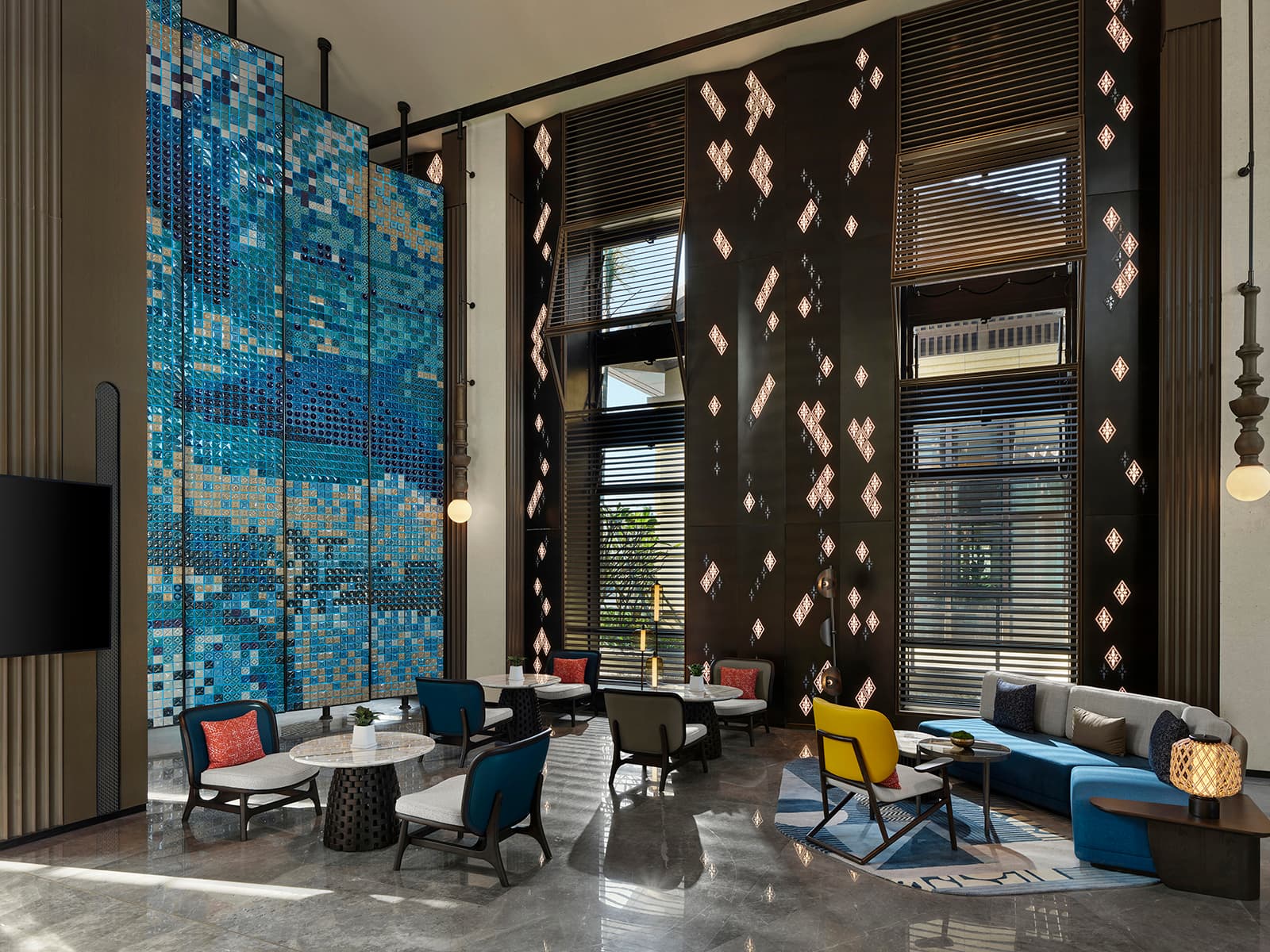
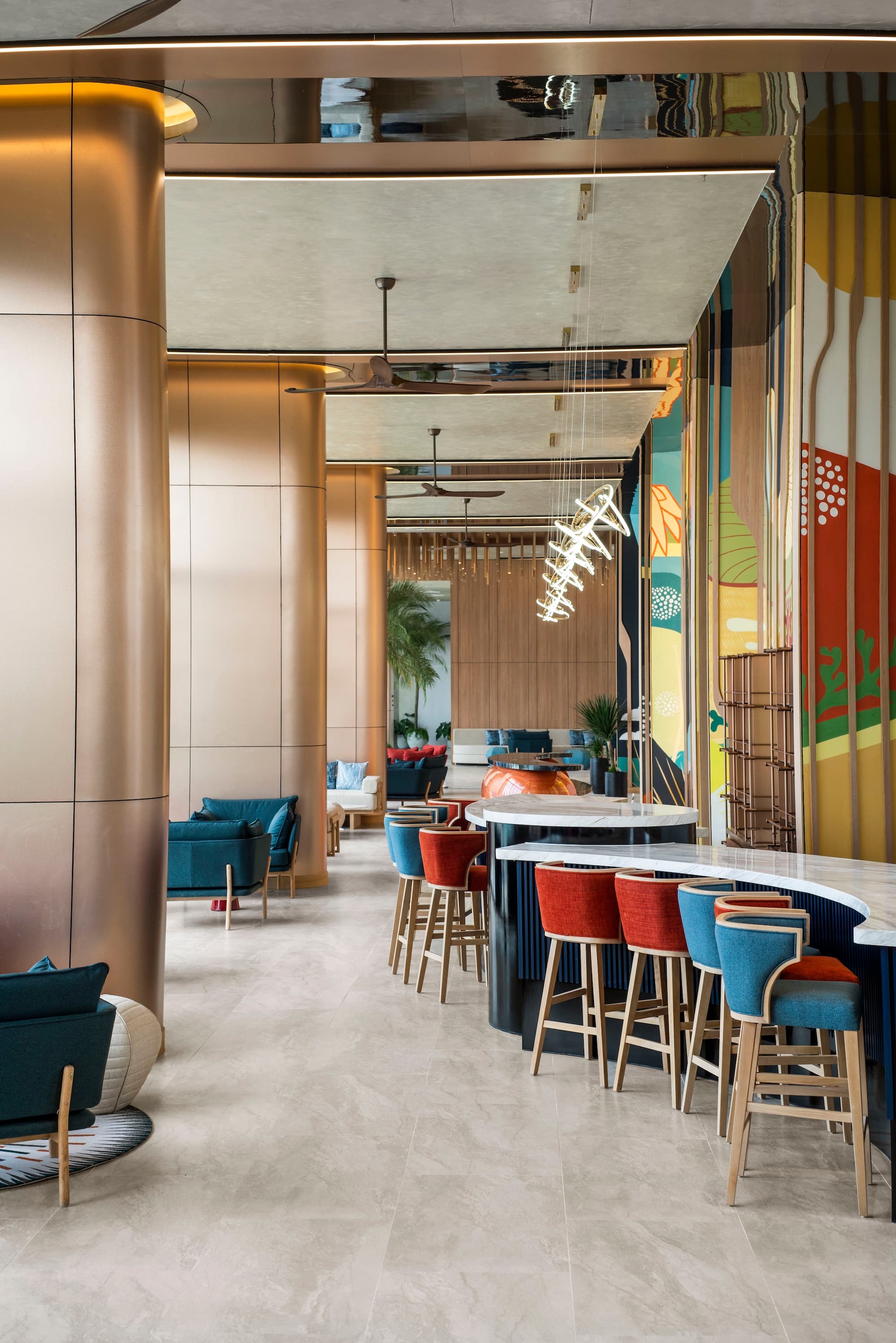
Each property is crafted with bold design, spaces built to be seen as much as stayed in. Curated murals fill shared spaces, turning the hotel into an evolving gallery, with rooms carrying signature accents that reflect the spirit of the destination.
Stay for Good
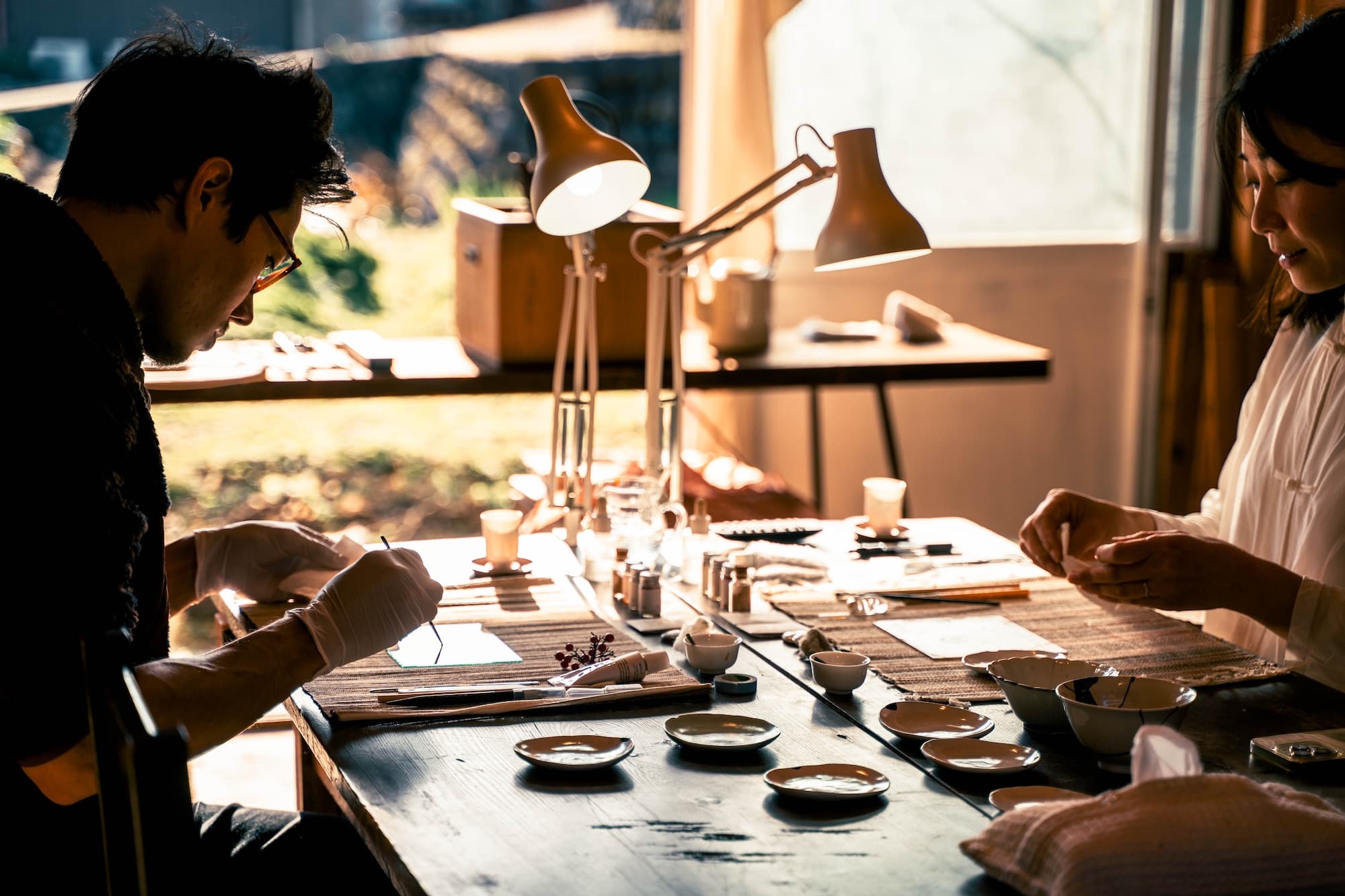
Some Dhawa stays give back by getting hands-on, coral conservation or a beach clean-up alongside the people who call the coast home. Others mean sitting down to learn a local craft or recipe firsthand. Either way, Stay for Good looks less like a programme and more like an afternoon well spent to understand the destination better.
Below the surface of the resort sits a shipwreck most resorts cannot offer. This is one more thing to find on an island built for people who like discovering what is around the corner.
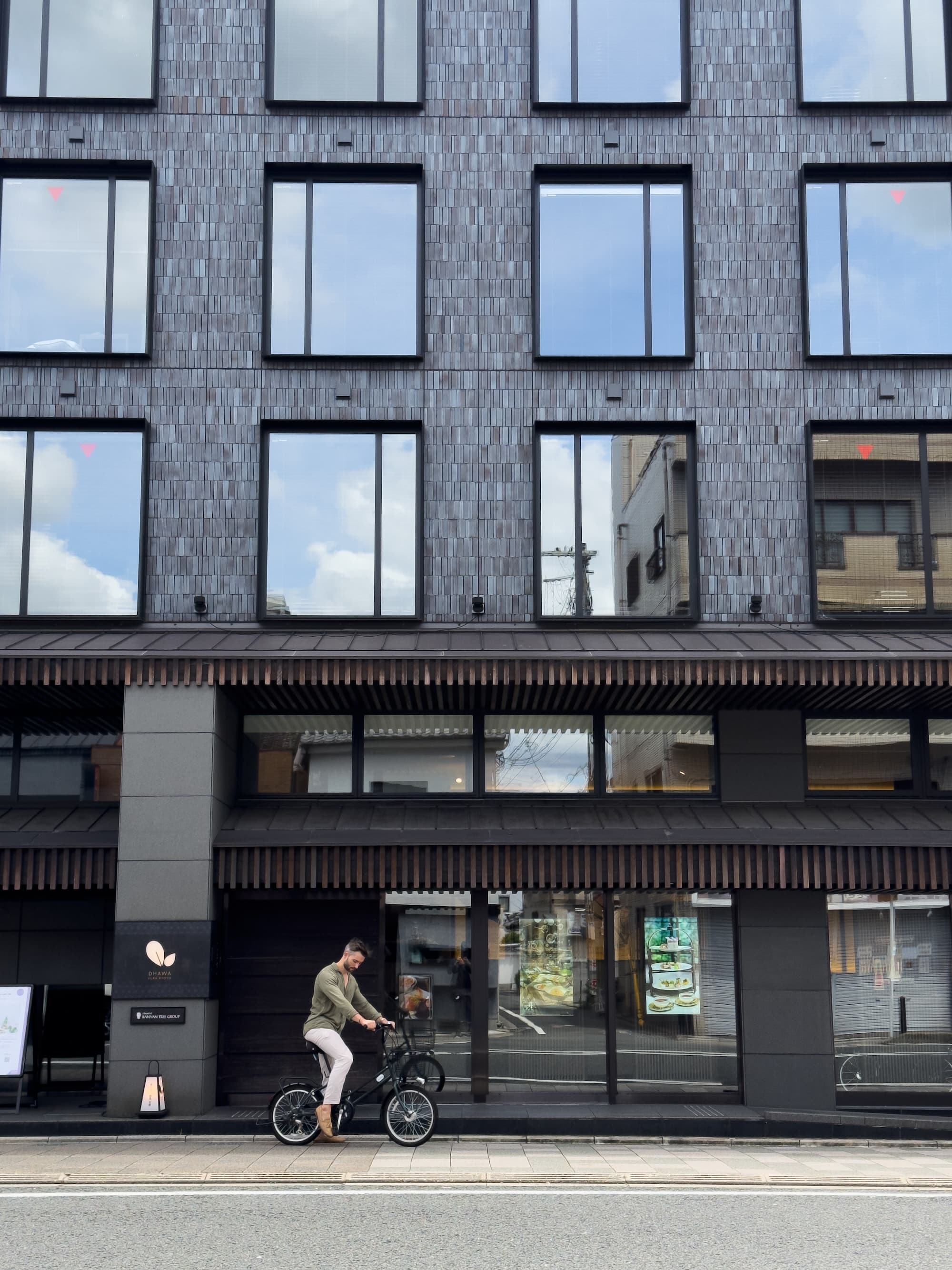
In Kyoto's Sanjo district, contemporary design sits inside walls that remember the Edo period, a short walk from streets that have barely changed in centuries.
Forest runs straight down to the sand at Ho Tram, dense green on one side, open beach on the other, holding a quiet that busier coastlines rarely keep.
Old courtyards reimagined by a lake or a modern district beside an ancient capital, one country holding an entirely different energy in every city.
Below the surface of the resort sits a shipwreck most resorts cannot offer. This is one more thing to find on an island built for people who like discovering what is around the corner.
In Kyoto's Sanjo district, contemporary design sits inside walls that remember the Edo period, a short walk from streets that have barely changed in centuries.
Forest runs straight down to the sand at Ho Tram, dense green on one side, open beach on the other, holding a quiet that busier coastlines rarely keep.
Old courtyards reimagined by a lake or a modern district beside an ancient capital, one country holding an entirely different energy in every city.
